
How Often Should You Schedule Professional Septic Pumping?
If you’re a homeowner in Canyon Lake, TX, understanding the importance of septic pumping is essential to preserving your septic system’s health and avoiding expensive repairs. At Craig’s Septic Pumping & Repairs, we know that homeowners often wonder how frequently they should arrange for professional septic tank pumping to maintain optimal system function. In this article, we’ll explore the key factors that determine your septic pumping schedule, highlight what to expect from trusted septic system solutions, and offer practical advice for recognizing warning signs that your system needs attention before problems escalate.
Why Regular Septic Pumping Is Essential
Your septic system is a critical component of your home’s infrastructure, responsible for safely managing wastewater. Over time, solids accumulate in the septic tank, reducing its capacity and effectiveness. Without regular septic pumping, these solids can overflow into the drain field, causing clogs, backups, and expensive repairs. Scheduling septic pumping regularly ensures your system runs smoothly and protects your property value.
How Often Should You Pump Your Septic Tank?
Determining the ideal frequency for septic pumping depends on several important factors:
Tank Size
The size of your septic tank influences how often it needs pumping. Smaller tanks fill up more quickly, requiring more frequent maintenance. Typical residential septic tanks range from 750 to 1500 gallons. A smaller tank serving a large household will need pumping more often, possibly every 1 to 2 years, while larger tanks and smaller households might stretch intervals to 3 to 5 years.
Household Usage
The number of people living in your home substantially affects septic tank filling rates. More individuals produce more wastewater and solids, which need to be removed regularly. For example, a family of four will generally require pumping every 2 to 3 years, whereas a single occupant’s tank might only need it every 4 to 5 years.
Local Soil and Environmental Conditions
The soil type and drain field capacity in Canyon Lake, TX, also play a role. Soils with poor drainage or higher clay content may put extra strain on your septic system, necessitating closer maintenance. Additionally, heavy rainfall and fluctuating groundwater levels can impact system performance. Professional septic system solutions will account for these local conditions when recommending a pumping schedule.
Signs Your Septic System Needs Attention
While following a pumping schedule based on your tank size and household use is the best preventative measure, you should also watch for early warning signs that indicate your septic system might be in distress:
- Slow Drains:
If sinks, toilets, or bathtubs drain slowly, it might mean the tank or drain field is clogged.
- Foul Odors: Persistent sewage smells near your septic tank area or drain field suggest system failure or leakage.
- Pooling Water or Muddy Soil: Excess water or soggy areas in your yard, especially near the drain field, can signal drain field overload or blockage.
- Sewage Backups: Toilets or drains backing up inside the property indicate immediate system issues requiring professional intervention.
Identifying these signs early can save you from costly repairs or a complete system replacement. A professional septic pumping company can inspect and service your system promptly when you notice these symptoms.
Choosing a Professional Septic Pumping Company
Finding the right septic pumping company is crucial for effective maintenance. When scheduling septic pumping in Canyon Lake, TX, look for companies with experienced technicians who understand local system requirements and regulatory standards.
A reputable company typically follows a clear process:
- Initial Inspection: Assessing tank condition and sludge levels to determine pumping needs.
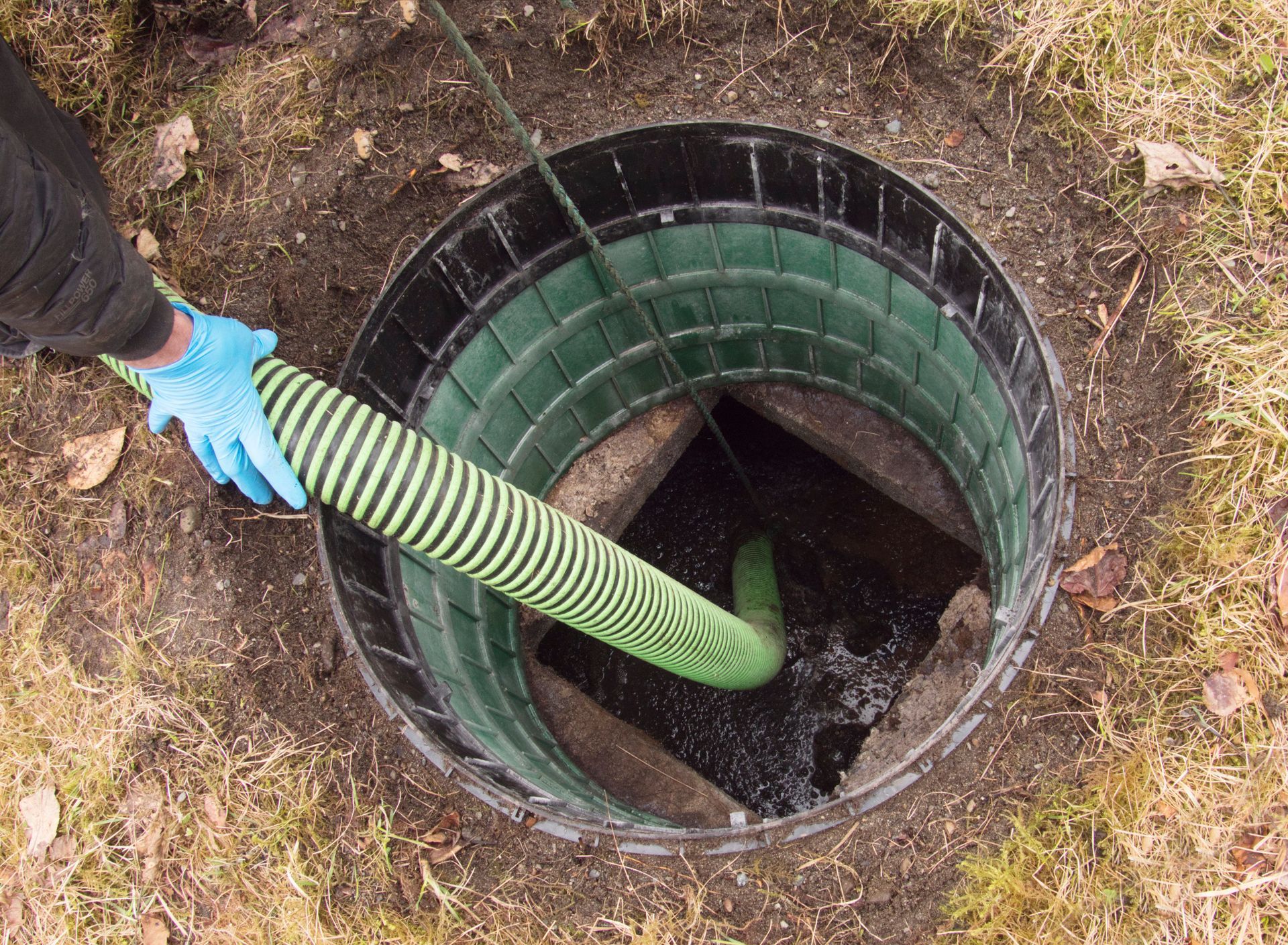
- Safe Pumping Procedures: Using specialized equipment to completely remove solids without damaging the tank.
- System Evaluation: Checking the tank, pipes, and drain field for leaks or damage.
- Cleanup: Ensuring the work area is left clean and safe.
- Documentation and Recommendations: Providing a report on tank status and advising on next service intervals.
Working with a trusted septic system solutions provider helps prolong the life of your system, ensures compliance with local codes, and protects your investment.
Practical Tips for Maintaining Your Septic System
Beyond professional pumping, certain habits can promote a healthier septic system:
- Reduce Water Waste: Fix leaks and install water-efficient fixtures to minimize excess water entering the system.
- Avoid Flushing Hazardous Materials: Do not flush grease, diapers, chemicals, or non-biodegradable items down drains.
- Maintain Drain Field Care: Avoid parking or planting heavy trees near the drain field to prevent damage or root intrusion.
- Regular Inspections:
Have your septic system inspected annually to catch potential issues early.
Take Action Today: Protect Your Septic System
Scheduling septic tank pumping at appropriate intervals based on your tank size, household usage, and local soil conditions is the key to avoiding unexpected problems and costly repairs. Early detection of warning signs and partnering with a reliable septic pumping company ensures proactive care and peace of mind. If you’re uncertain about when to pump or want your system evaluated,
reach out to Craig’s Septic Pumping & Repairs
today for professional guidance and top-quality septic system solutions in Canyon Lake, TX. Don’t wait for a backup; schedule your septic pumping before issues arise!
Recent Posts